
UV Curing Applications in Automotive Manufacturing
UV Curing Improves Surface Performance and Production Efficiency for Automotive Components
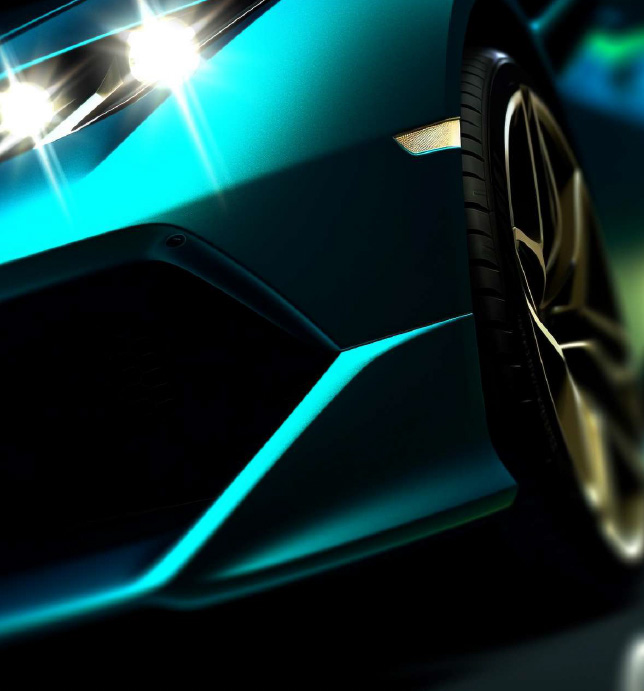
As automakers increasingly adopt lightweight materials, engineering plastics are being widely used for interior and exterior components, including headlamp lenses, reflectors, exterior trim, and interior parts. Conventional high-temperature mercury arc lamp curing can cause plastic components to warp, deform, or even become unusable. In comparison, UV curing offers high process efficiency, lower energy consumption, and reduced thermal exposure. It enables high-hardness, weather-resistant protective coatings to be applied without damaging heat-sensitive substrates, making UV curing an increasingly important process for reducing cycle times and energy consumption in automotive manufacturing.
Headlamp Lens Surface Treatment: Excellent Scratch Resistance and Optical Performance
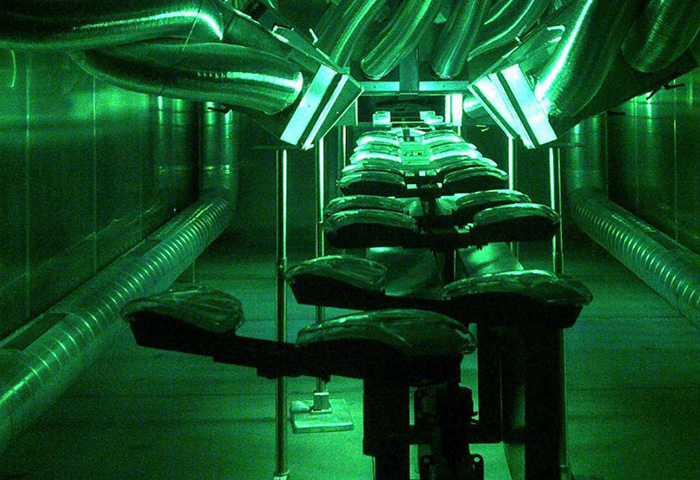
Applying a UV-cured hard coat to polycarbonate (PC) headlamp lenses is a standard process for improving the appearance and durability of headlamp assemblies and can significantly enhance scratch resistance, weatherability, and surface quality. Conventional curing processes involve multiple steps and typically require several hours. With UV curing, the overall process can be shortened to just 1 to 3 minutes, increasing production throughput while reducing energy consumption.
Enhanced Performance
UV-cured hard coats provide polycarbonate headlamp lenses with high surface hardness and excellent abrasion resistance, helping protect against road debris and car-wash abrasion. They also provide excellent resistance to UV and environmental aging, significantly delaying yellowing and haze formation and helping headlamp lenses maintain high gloss and optical clarity over time.
Improved Efficiency
Rapid curing with minimal thermal impact on heat-sensitive substrates reduces work-in-process inventory and waiting time between process steps while lowering energy consumption and production-line operating costs.
Advantages
- UV-cured hard coats improve surface hardness and abrasion resistance
- Help protect against car-wash abrasion, road debris, and everyday scratches
- Improve the surface finish and gloss of components, particularly decorative parts
- Excellent resistance to UV-induced aging
- Suitable for polycarbonate and other optical-grade plastics
- Reduce work-in-process inventory and waiting time between process steps
- Lower energy consumption and maintenance costs
- UV curing times can typically be reduced to 1 to 3 minutes
Surface Treatment for Automotive Interior and Exterior Components: Protection for Complex Part Geometries
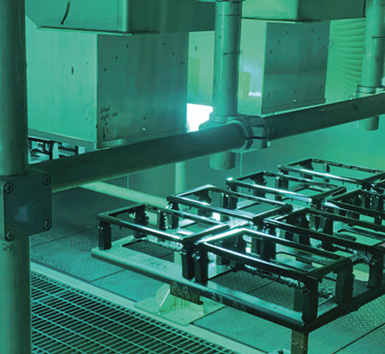
UV-cured coatings and clear coats are widely used on exterior components such as front grilles, emblems, fenders, side trim panels, and wheel rims, as well as interior components such as center console panels, instrument panels, and door trim. These coatings enhance durability and surface protection while providing a high-quality appearance.
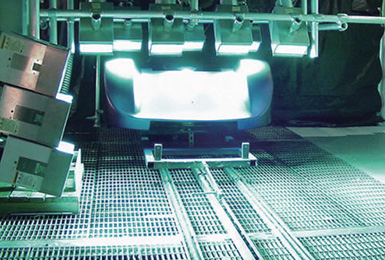
Enhanced Protection and Durability
PMMA is particularly well suited to UV hard-coating applications. UV-cured hard coats can increase the surface hardness of engineering plastics to 5H, providing glass-like scratch and abrasion resistance while protecting exterior components against environmental exposure such as rainwater and bird droppings. On interior components, these coatings also provide resistance to chemicals and substances encountered in everyday use, including perspiration, skin oils, hand creams, and cleaning agents.
Appearance and CMF Enhancement
UV-cured coatings help protect surfaces against aging caused by prolonged sunlight exposure and can support a range of surface appearances, including high-gloss and mirror-like finishes, helping meet the visual and tactile requirements of modern automotive interiors and exteriors.
Efficient, Environmentally Responsible Processing
Many automotive interior and exterior components are made from engineering plastics such as PMMA, PP, ABS, and PC/ABS, while part geometries are becoming increasingly complex. UV curing requires no lengthy preheating and cures rapidly, helping reduce cycle times for complex-shaped components while minimizing residual materials and VOC emissions.
Appearance and CMF Enhancement
- UV-cured hard coats can increase the surface hardness of plastic components to 5H
- Improve scratch and abrasion resistance of exterior components
- Provide long-term resistance to rainwater, bird droppings, perspiration, skin oils, and cosmetics
- Suitable for complex-shaped components such as front grilles, emblems, and wheel rims
- Rapid curing helps improve production-line throughput
- Lower VOC emissions support more environmentally responsible manufacturing
Expanding Applications for Electrochromic Films: Smart Dimming and Thermal Management for Automotive Windows and Panoramic Roofs
Automotive window and panoramic roof films typically consist of multiple laminated layers, including a release layer, UV-blocking adhesive layer, polyester film, metallic heat-control layer, and hard coat. These multilayer structures can provide thermal management, UV protection, glare reduction, and privacy while requiring high levels of weatherability, transparency, and surface hardness. UV curing is used to cure and bond hard coats and functional adhesive layers, helping ensure long-term film stability under demanding environmental conditions.
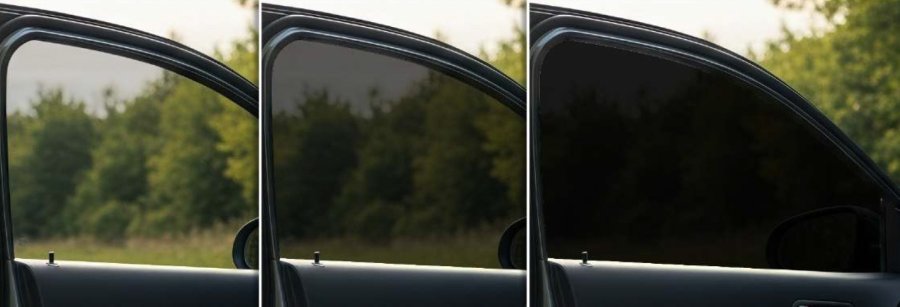
Expanding Applications for Electrochromic Films: Smart Dimming and Thermal Management for Automotive Windows and Panoramic Roofs
Hardness Without Compromising Optical Performance
UV curing can achieve hard-coat hardness levels of 5H or higher, significantly improving the scratch and abrasion resistance of electrochromic films and other functional films while maintaining high light transmission and optical uniformity. These properties support thermal management, UV protection, glare reduction, and privacy for a more comfortable vehicle interior.
Advantages
- Achieve hard-coat hardness levels of 5H or higher
- Improve the abrasion resistance of electrochromic film surfaces
- Maintain high light transmission and optical uniformity
- Improve resistance to UV-induced aging
- Extend the service life of automotive panoramic roof and window films
- Suitable for smart-dimming glazing and functional film applications
Protection and Sealing for Automotive Electronics: Reliability Under Demanding Operating Conditions
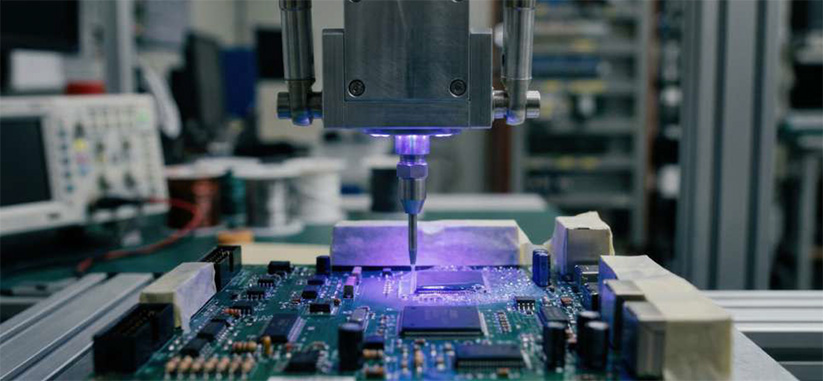
As electronic content in vehicles continues to increase, UV curing technology is being used in a growing range of automotive electronics manufacturing applications. UV curing is increasingly applied to PCBA conformal coatings, electronic potting compounds, component marking, and sealing materials, helping improve the reliability of automotive electronic components under demanding conditions including temperature extremes, vibration, heat and humidity, salt spray, and chemical exposure.
Comprehensive Protection
UV-cured materials can provide electronic components and sensors with protection against moisture, dust, and chemical exposure, while also supporting sound insulation and vibration damping.
Form-in-Place Sealing
UV-curable Form-in-Place (FIP) and Cure-in-Place (CIP) processes enable efficient airtight sealing of vehicle doors, sensors, filters, and lighting assemblies, reducing material waste while improving assembly efficiency.
Advantages
- Process testing and parameter optimization
- UV curing solution evaluation and validation
- On-site and remote commissioning support
- Depot and on-site repair and inspection services
- On-site and remote training
- Spare parts support
- Preventive maintenance contracts
Technical Services
Excelitas offers the industry’s broadest portfolio of LED, microwave, and mercury UV curing solutions. Backed by the expertise and advanced testing capabilities of the Excelitas Application Centers, manufacturers can accurately define process parameters and validate curing performance across a wide range of materials and coating systems.
Application specialists provide comprehensive technical support throughout the entire implementation journey, from laboratory feasibility testing and process optimization to full-scale production, ensuring successful adoption of UV curing technology.
We provide the following technical support:
- Process testing and parameter optimization
- UV curing solution evaluation and validation
- On-site and remote commissioning support
- Depot and on-site repair and inspection services
- On-site and remote training
- Spare parts support
- Preventive maintenance contracts
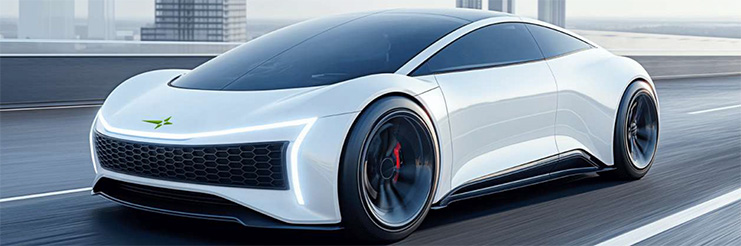
Customized UV Curing Systems: Enabling Efficient Production-Line Upgrades and Retrofits
- UV curing systems can be custom-designed and installed to meet the requirements of different automotive components, material characteristics, and specific manufacturing processes, helping ensure precise and stable curing performance.
- Shorter Production Cycles: Curing in seconds to minutes increases throughput and reduces work-in-process inventory
- Lower Energy Consumption: Instant-on operation eliminates the need for high-temperature curing ovens
- Greater Product Consistency: Precise control of UV irradiance and consistent UV output with minimal intensity degradation support stable, repeatable quality
- More Environmentally Responsible Manufacturing: Low VOC emissions and reduced photoinitiator residues help support a healthier vehicle interior environment
- Greater Compatibility with Lightweight and Heat-Sensitive Materials: Well suited to lightweight and thermally sensitive substrates
- Flexible Automation Integration: Customized system design and retrofit services support integration into a wide range of production environments
APPLICATION NOTE
September 2026
AUTHOR
Developed in collaboration with the Excelitas UV Applications Team, China